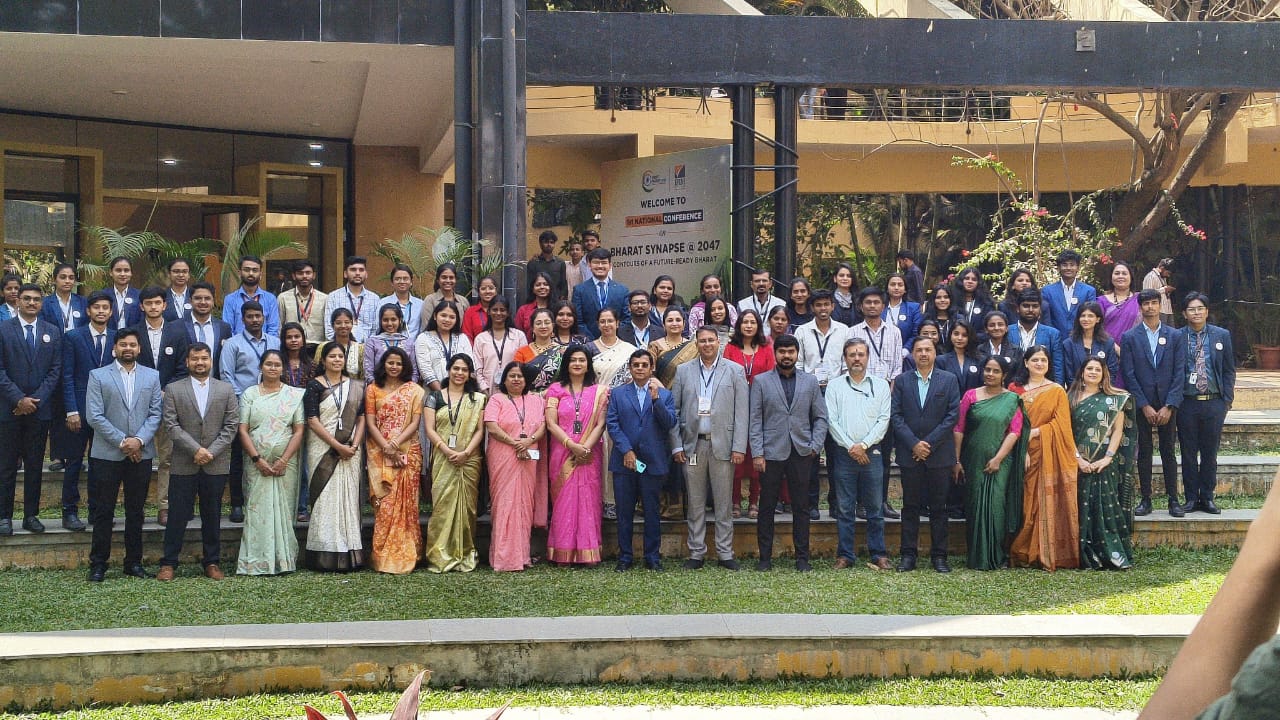
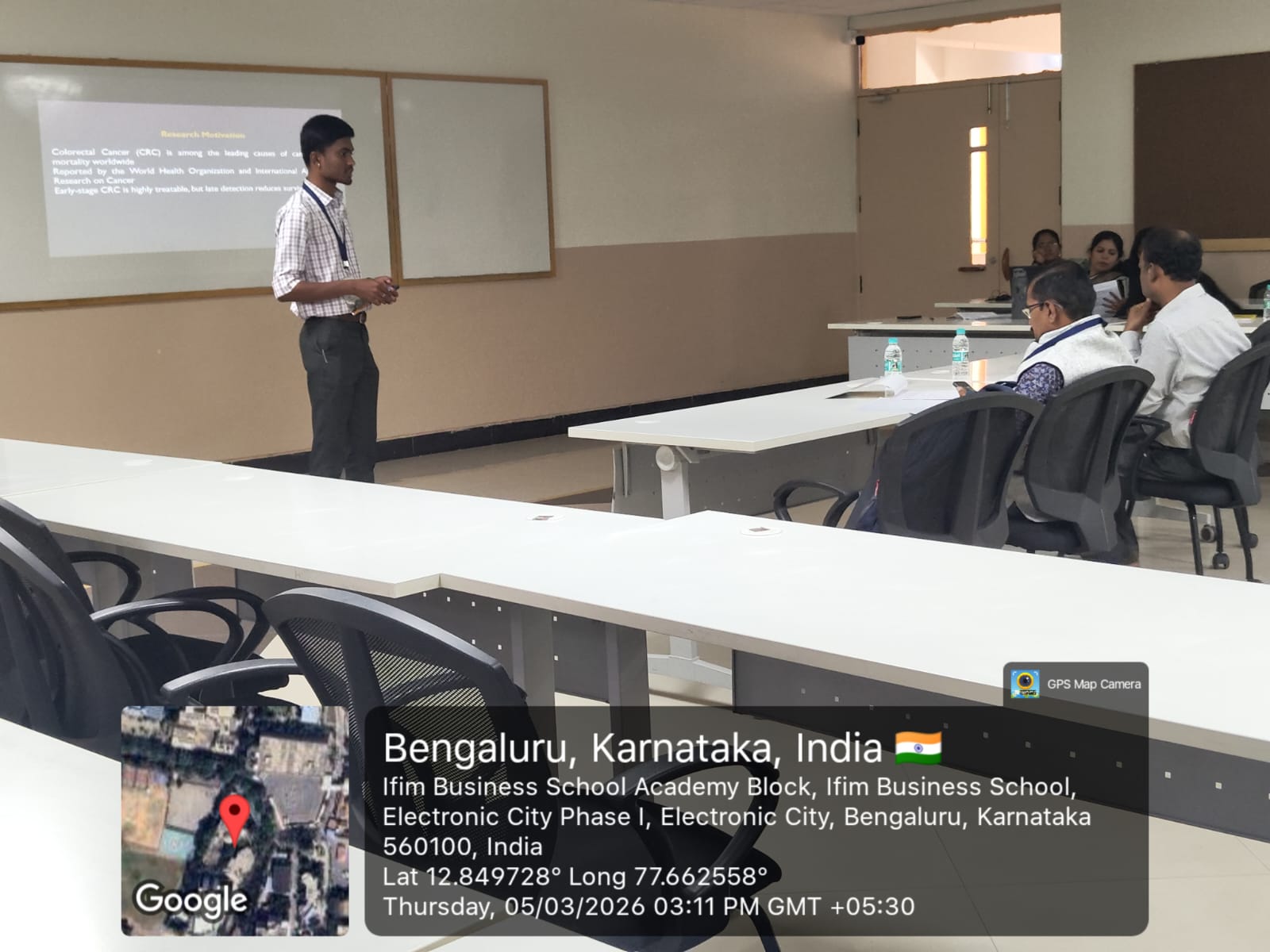
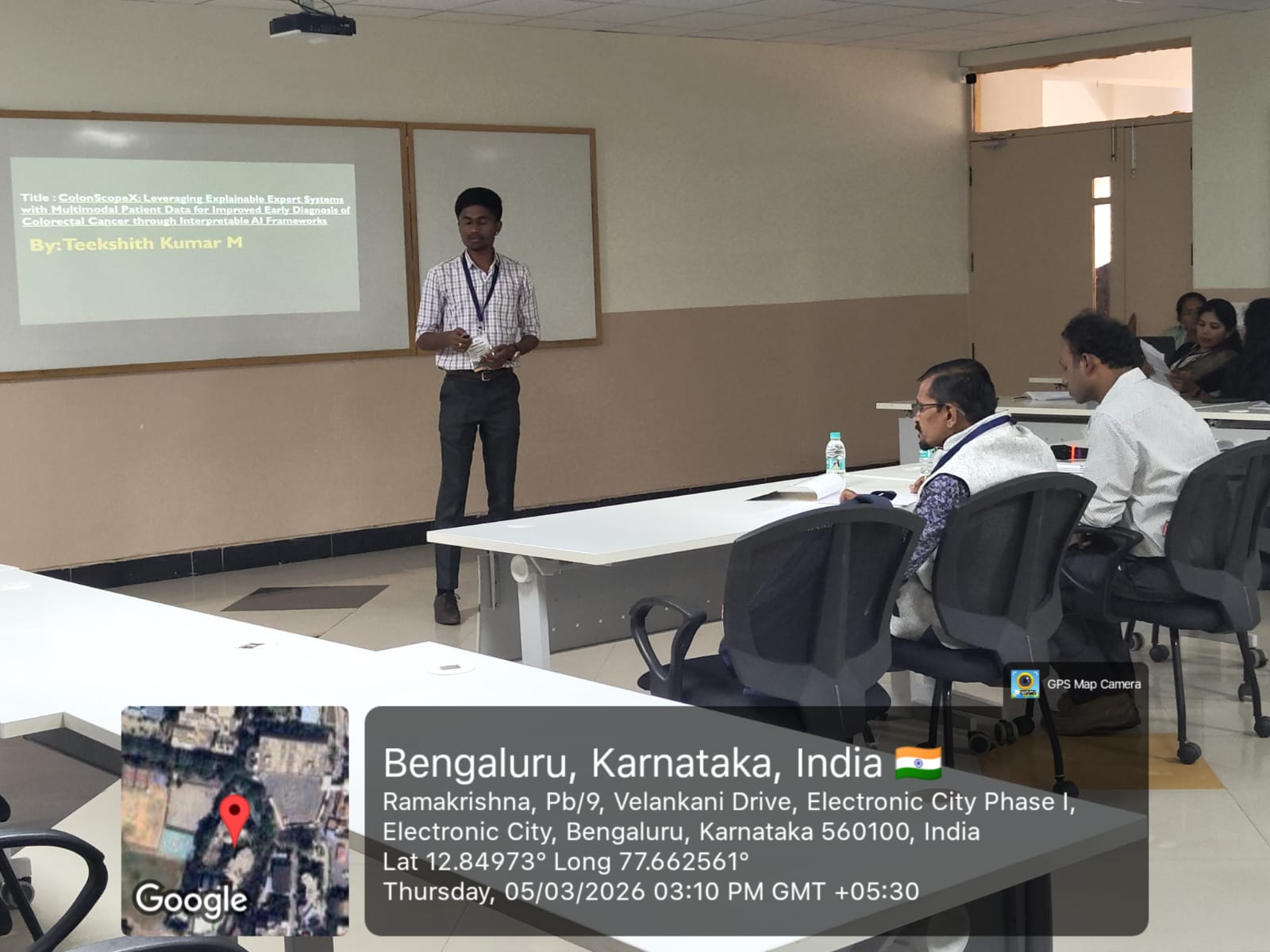
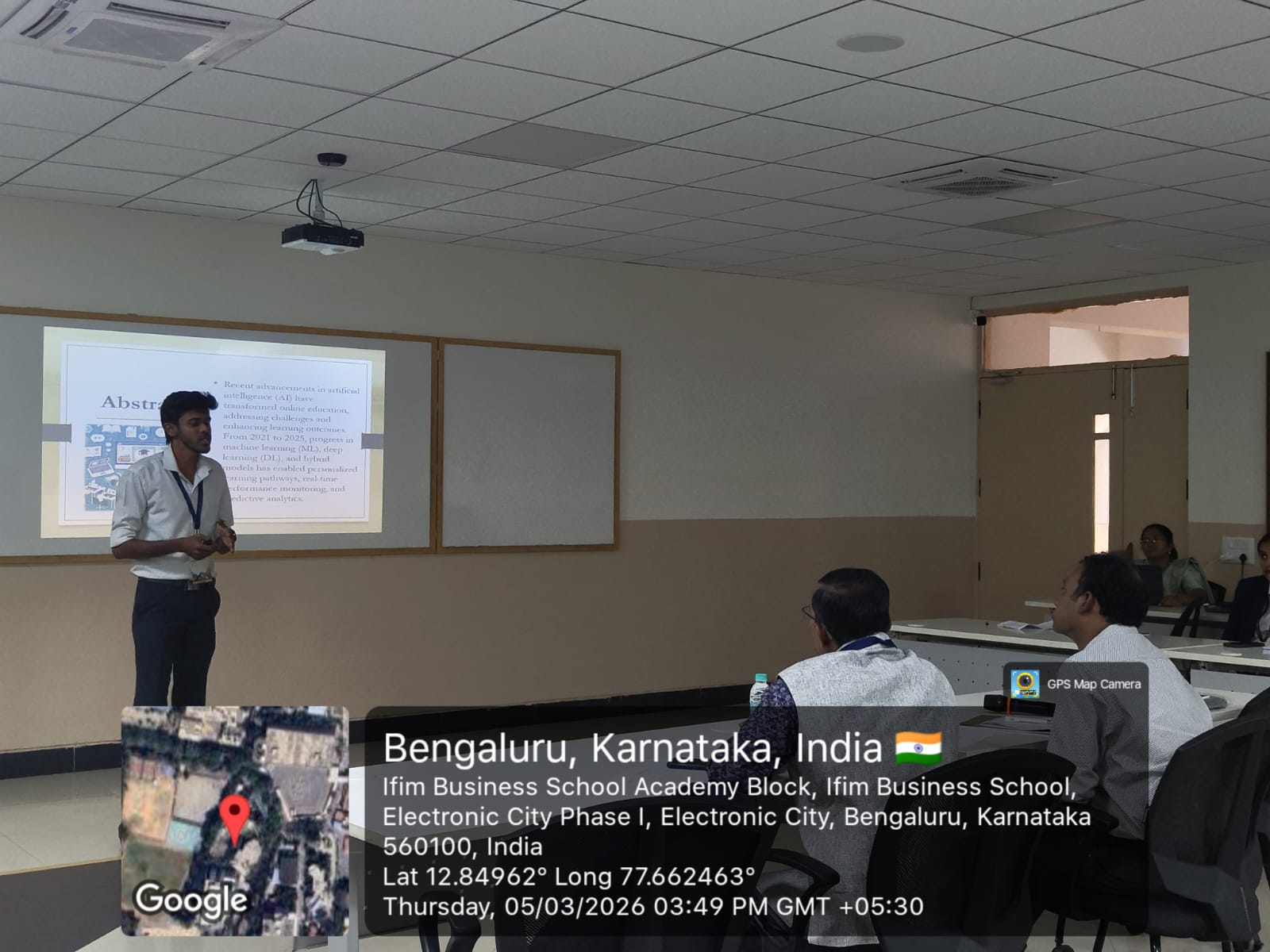
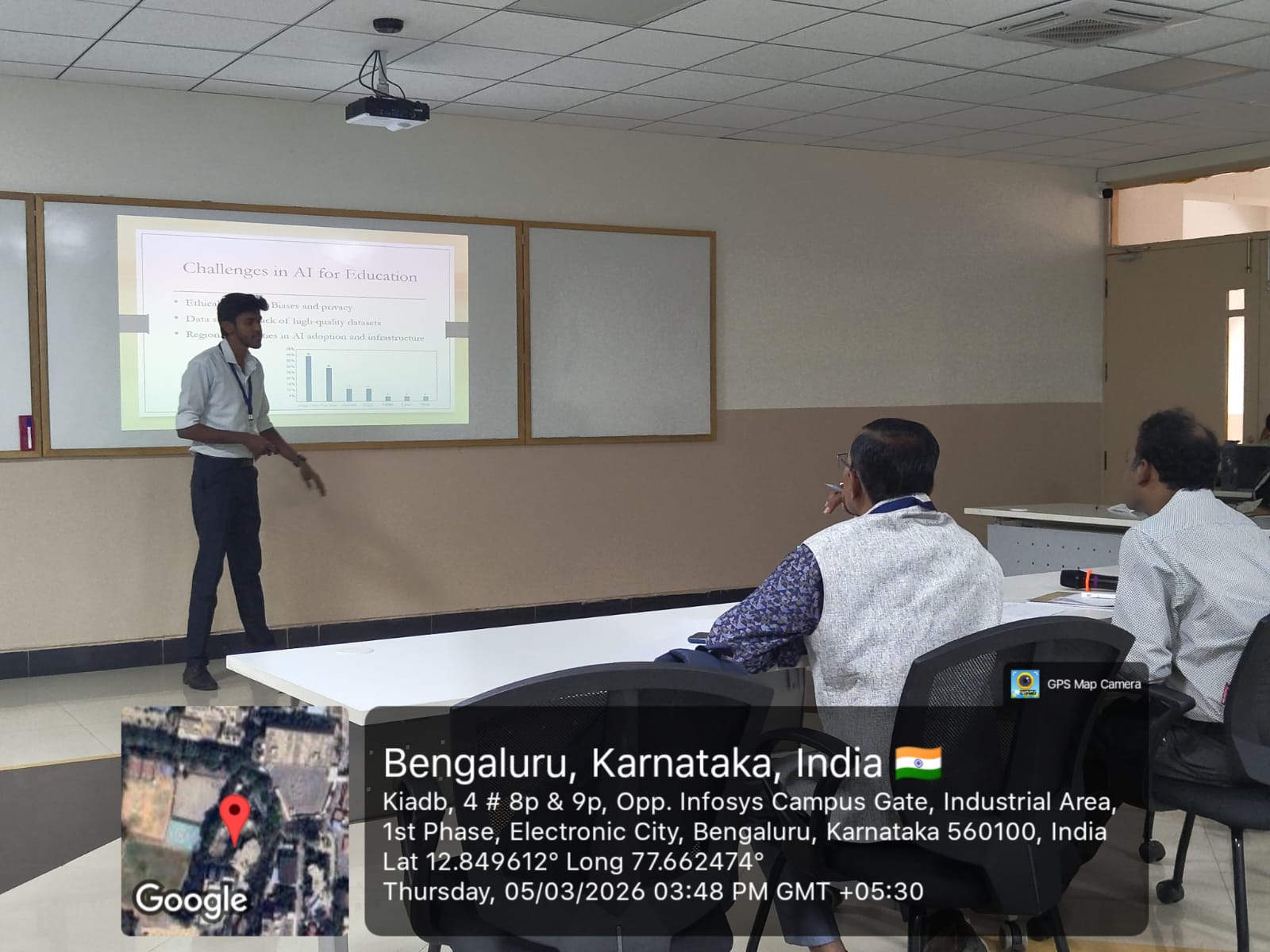
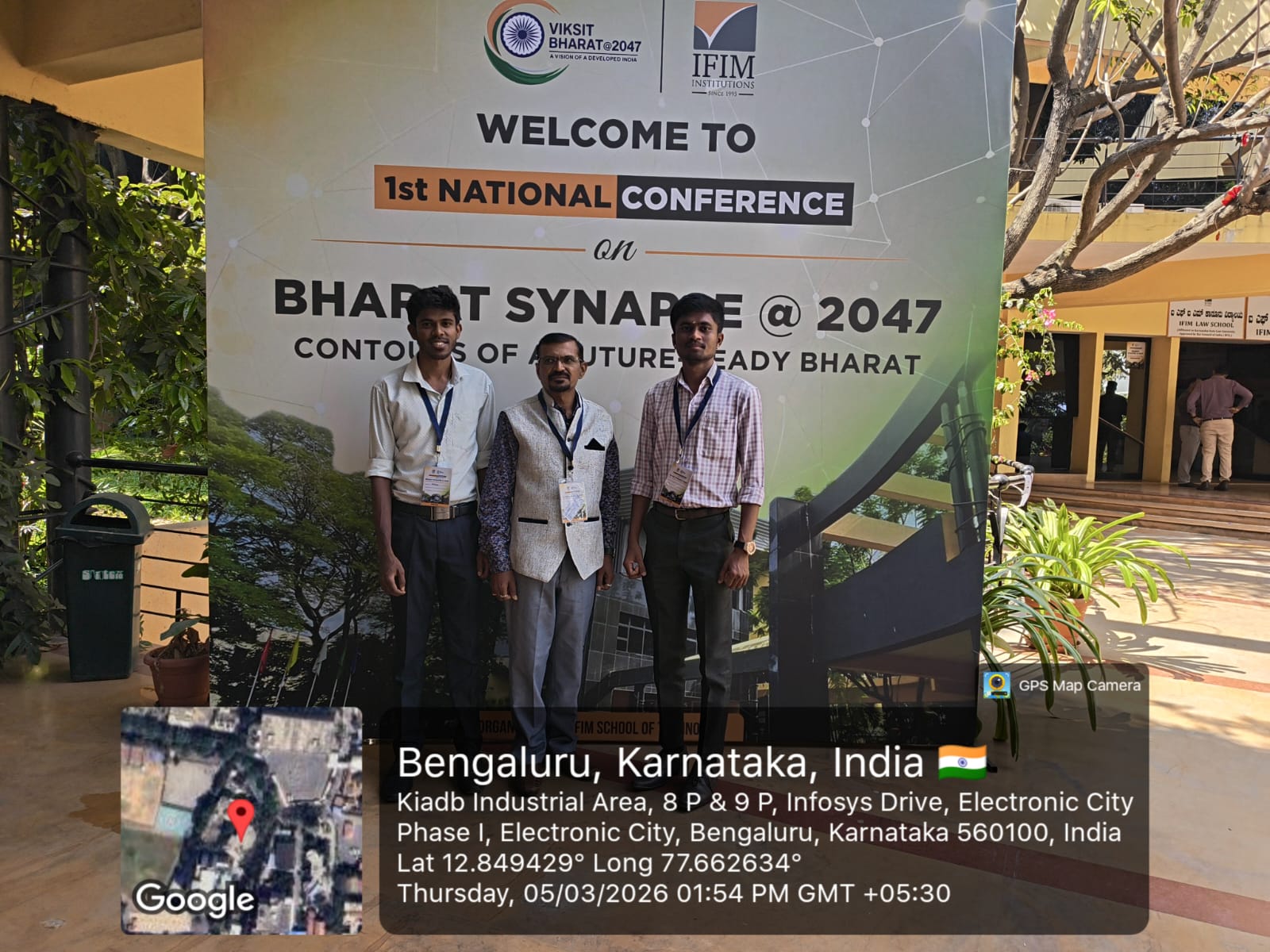
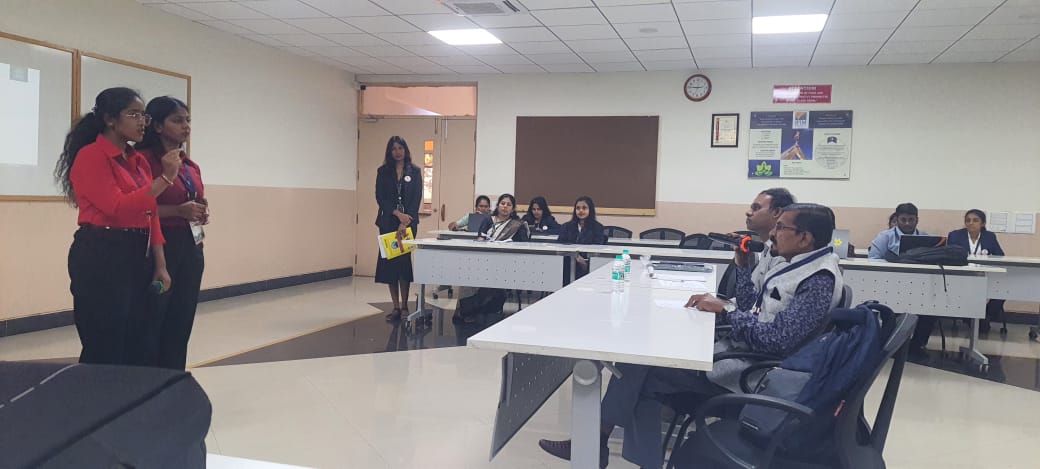
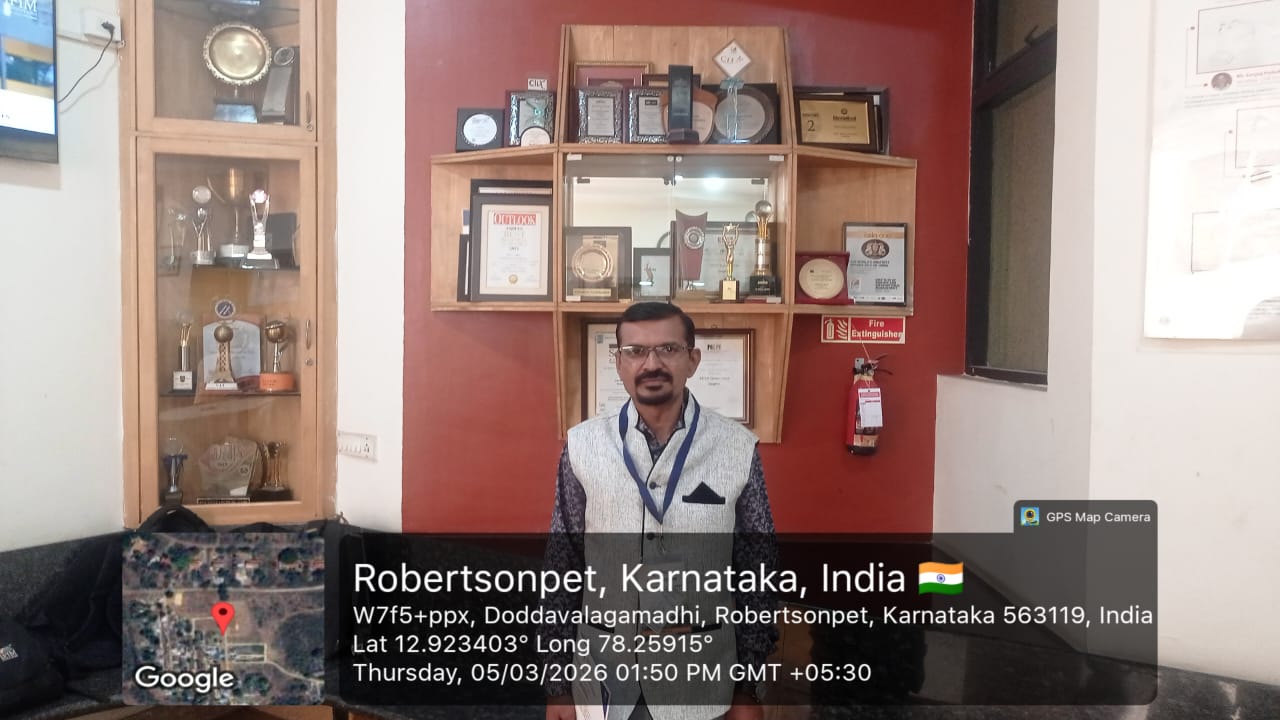
Department of Computer Science Faculties Presented and Published paper in National Conference

The Department of Computer Science Faculties Presented and Published paper in National Conference

Institution Name : IFIM Autonomous College Electronic City Bengaluru Karnataka

Date : 5th & 6th March 2026

Conference Title : Bharath Synapse@2047

Sl.NoName Paper Title
1 Mr. Siddarama SThe Impact of AI on E-Learning System
2Mr. Teekshith Kumar MNeuro Symbolic and Brain Reasoning Artificial Intelligence
3Mr. Dileep DThe Impact of AI on E-Learning System
Faculty Names With paper Title

About Viksit Bharat @2047

Bharath Synapse@2047– Conference Theme: AI Revolution

About the Conference

Bharath Synapse@2047 serves as a dynamic academic and innovation platform focused on the trans-formative power of the Artificial Intelligence (AI) Revolution in shaping India’s future. This conference invites students, researchers, academicians, and industry professionals to present research papers that explore cutting-edge advancements and real-world applications of AI.

The conference emphasizes how AI is redefining key sectors such as healthcare, education, agriculture, finance, cybersecurity, and smart governance. It aims to bridge the gap between theoretical research and practical implementation by encouraging participants to showcase innovative models, algorithms, systems, and AI-driven solutions.

Paper presentations in this conference provide an opportunity to:

  • Demonstrate technical knowledge in AI, Machine Learning, Deep Learning, NLP, and Computer Vision
  • Address current challenges and propose scalable AI solutions
  • Contribute to India’s vision of becoming a technologically advanced nation by 2047
  • Collaborate with experts and gain constructive feedback

The conference also highlights ethical AI, data privacy, and responsible innovation, ensuring that technological growth aligns with societal values.

Participants are encouraged to submit papers on topics such as:

  • AI in Healthcare Diagnostics and Prediction
  • Smart Cities and AI-based Infrastructure
  • AI in Cybersecurity and Threat Detection
  • Automation and Robotics
  • AI for Sustainable Development
  • Natural Language Processing and Chatbots
  • Computer Vision and Image Processing
  • AI in Education and Personalized Learning

Benefits in AI Revolution

  1. Improved Healthcare Systems – AI helps in disease prediction, medical diagnosis, and faster treatment planning.
  2. Smart Governance – AI can improve government decision-making through data analysis and predictive models.
  3. Enhanced Education – AI-powered learning systems enable personalized education for students.
  4. Automation and Productivity – AI automates repetitive tasks, increasing efficiency in industries.
  5. Smart Cities Development – AI supports traffic management, energy optimization, and urban planning.
  6. Cybersecurity Enhancement – AI helps detect cyber threats and protect digital infrastructure.
  7. Agricultural Innovation – AI enables precision farming, crop prediction, and better resource management.
  8. Economic Growth – AI-driven industries create new job opportunities and boost economic development.
  9. Data-Driven Policy Making – AI analyzes large datasets to support effective public policies.
  10. Innovation Ecosystem – AI encourages research, startups, and technological breakthroughs for national progress.
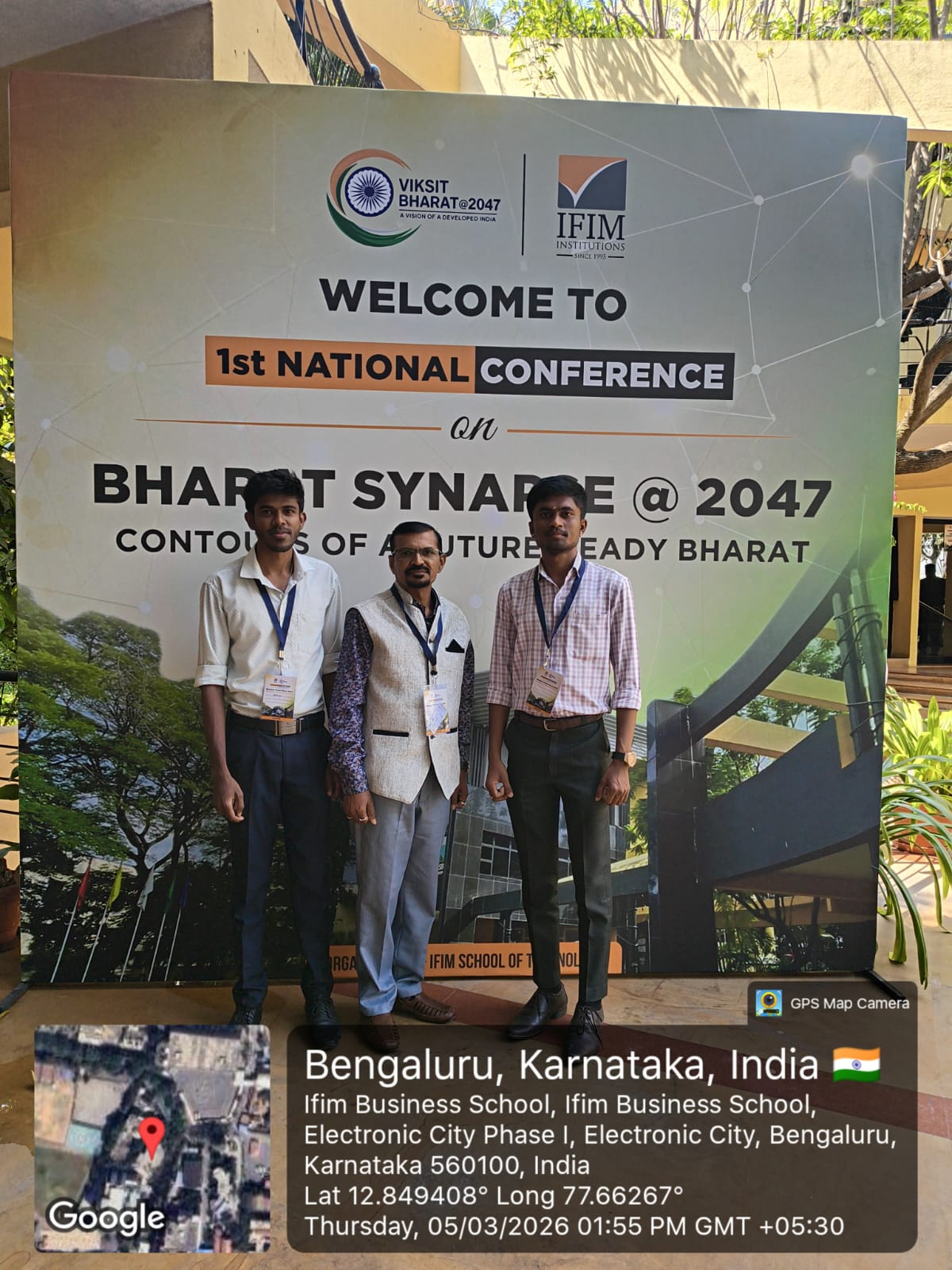
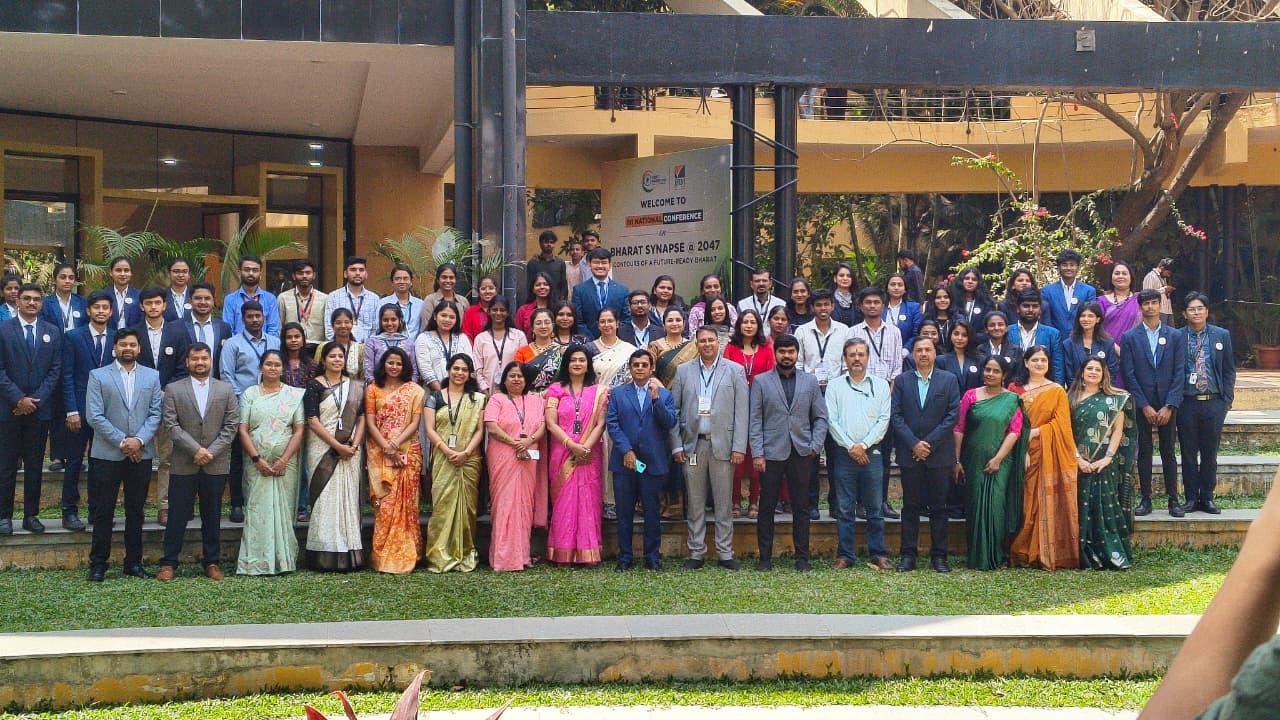
Department of Computer Science Faculty Invited as a Session Chair in National Conference

The Department of Computer Science Faculty Mr. Siddarama S Head Department of Computer Science-SBMJFGC-KGF Invited as a Session Chair in National Conference

Institution Name : IFIM Autonomous College Electronic City Phase 2 Bengaluru

Date : 5th March 2026

Conference Title : Bharath Synapse@2047

Bharath Synapse @ 2047 – Overview

Bharath Synapse @ 2047 is a forward-looking conference concept aligned with India’s vision of becoming a fully developed nation by the year 2047 (marking 100 years of independence). The term “Synapse” symbolizes connection—just like neural connections in the brain—representing the integration of ideas, technologies, industries, and people to drive national progress.
This conference focuses on bringing together students, researchers, innovators, policymakers, and industry leaders to collaborate on transformative domains such as Artificial Intelligence, Digital Infrastructure, Sustainability, Healthcare, and Smart Governance. It acts as a platform for knowledge exchange, innovation showcase, and strategic discussions that contribute to building a future-ready India.

The core aim is to ignite young minds, encourage interdisciplinary thinking, and accelerate technological and socio-economic growth through collaboration and innovation.


About the Conference

  1. Vision for 2047
    Inspires participants to contribute toward making India a global leader by its centenary year of independence.
  2. Innovation-Driven Mindset
    Encourages creative thinking and problem-solving using emerging technologies like AI, ML, and Data Science.
  3. Bridging Academia and Industry
    Provides a platform where students interact with industry experts, gaining real-world insights.
  4. Empowering Youth
    Motivates young minds to become future entrepreneurs, researchers, and leaders.
  5. Technology for Social Good
    Promotes the idea of using technology to solve real-life societal challenges.
  6. Collaboration and Networking
    Helps build strong professional networks among peers, mentors, and organizations.
  7. Research and Development Focus
    Encourages participants to engage in research that contributes to national development.
  8. Startup and Entrepreneurship Boost
    Inspires individuals to transform ideas into startups that can impact the economy.
  9. Sustainability Awareness
    Highlights the importance of green technologies and sustainable development.
  10. Nation-Building Spirit
    Instills a sense of responsibility and pride in contributing to India’s growth story.

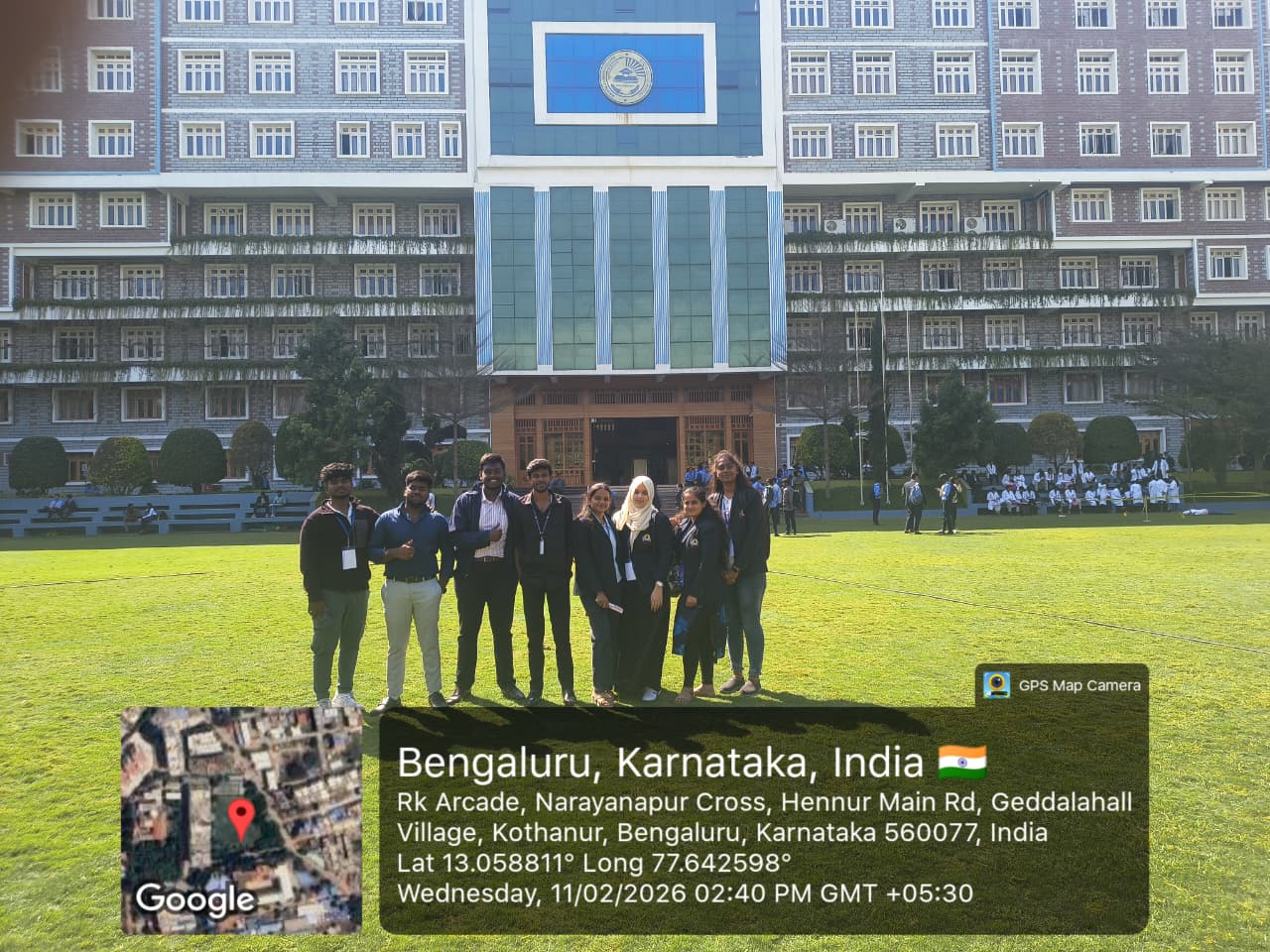
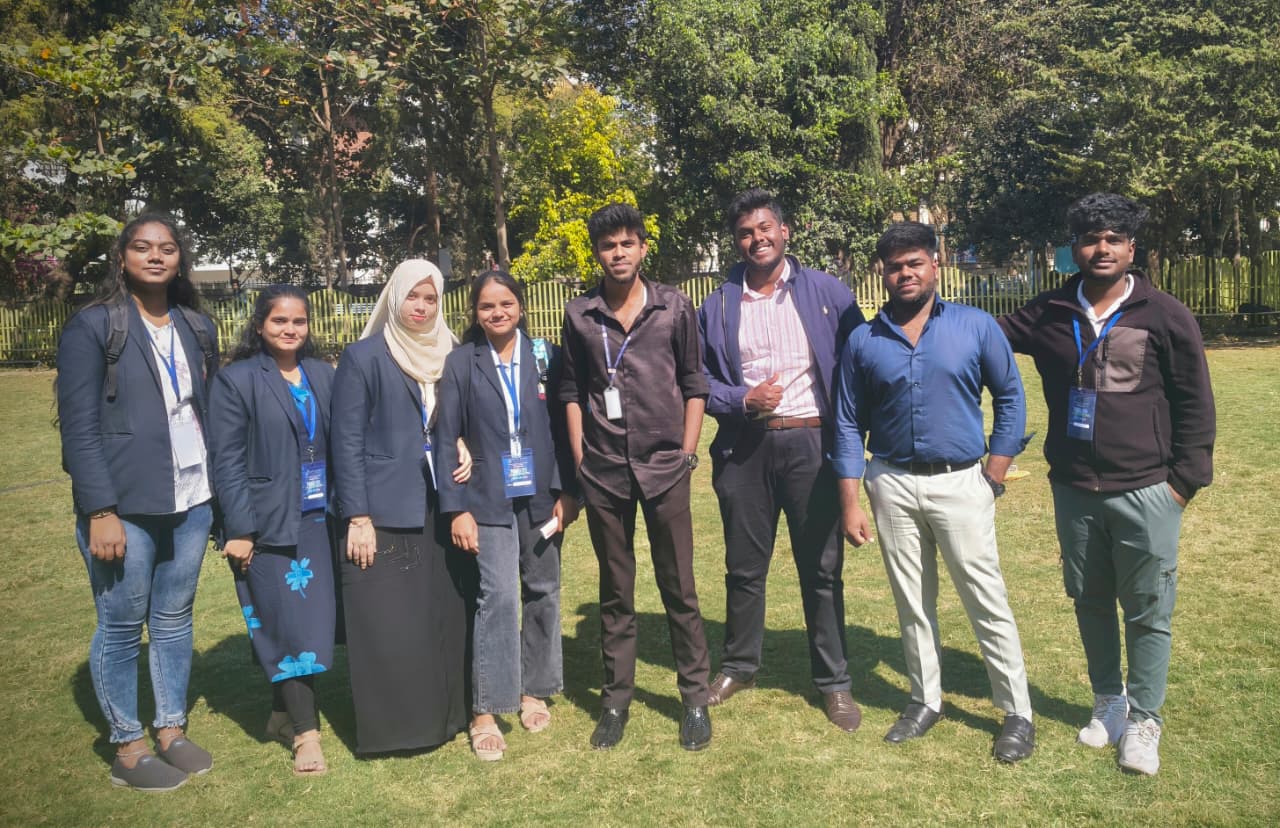
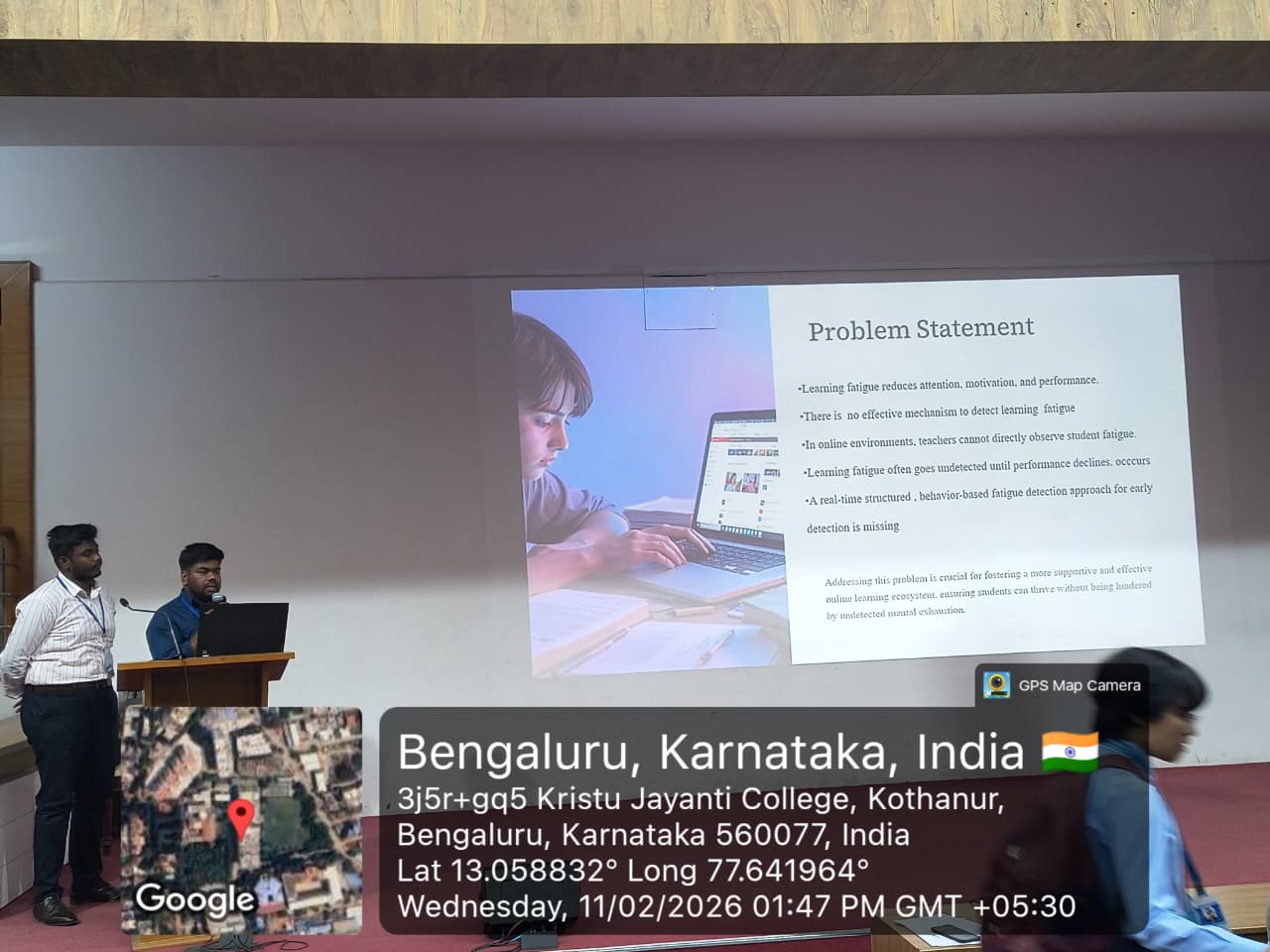
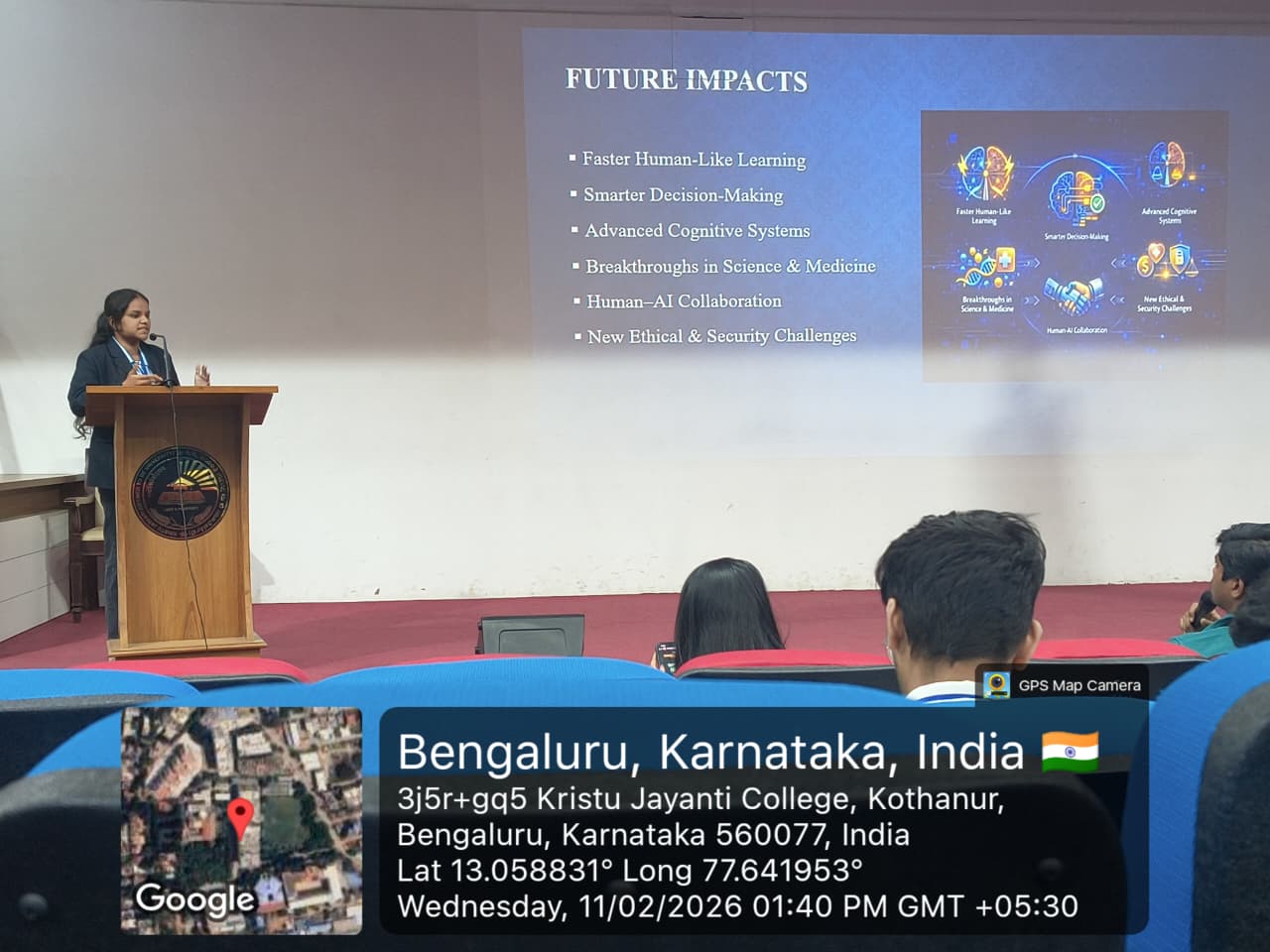
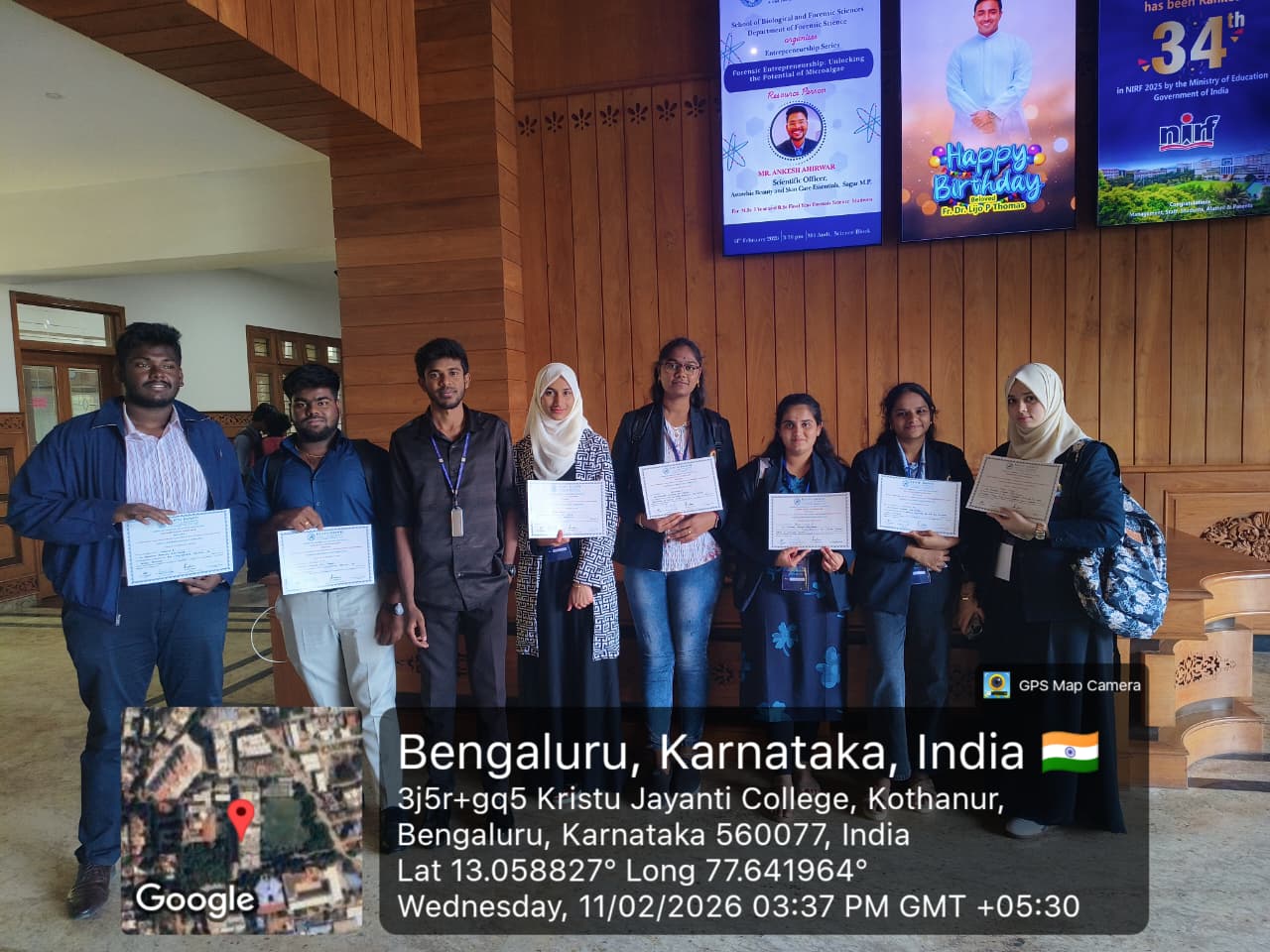
Department of Computer Science BCA Students Presented and published paper in Kristu Jayanthi College Bengaluru

The Department of Computer Science BCA Students Presented and published paper in Kristu Jayanthi College Bengaluru

Title of the Conference : Vikas Bharath 2047:Neo-Human Intelligence & Next Gen technologies

Date: 11-02-2026

Faculty In-charge : Mr. Dileep D , Assistant professor- SBMJFGC-KGF

Total Number Of Students Attended:07

outcome of the Conference:

  1. Human–AI Collaboration
    Development of Neo-Human Intelligence where humans and Artificial Intelligence work together to improve productivity and decision-making.
  2. Advanced Digital Infrastructure
    Strong nationwide digital connectivity through initiatives like Digital India to support innovation and smart services.
  3. Smart Governance
    Use of AI, blockchain, and data analytics for transparent, efficient, and corruption-free government systems.
  4. Next-Generation Education
    Integration of AI, robotics, and skill-based learning in schools and universities to prepare youth for future careers.
  5. Healthcare Transformation
    AI-based diagnostics, telemedicine, and precision medicine to improve healthcare access across rural and urban India.
  6. Innovation & Startup Growth
    Promotion of startups and research under programs like Startup India to build global technology leaders.
  7. Smart Cities & Sustainable Development
    Development of smart cities using IoT, renewable energy, and green technologies for a sustainable future.
  8. Cybersecurity Strengthening
    Advanced cyber defense systems to protect national data and digital infrastructure.
  9. Economic Growth through Emerging Technologies
    Expansion in sectors like AI, quantum computing, space tech, and biotechnology to make India a global technology hub.
  10. Inclusive Development
    Technology-driven growth ensuring opportunities for all sections of society, including rural communities and women empowerment.

Department of Computer Science faculties Presented and Published paper in International Conference

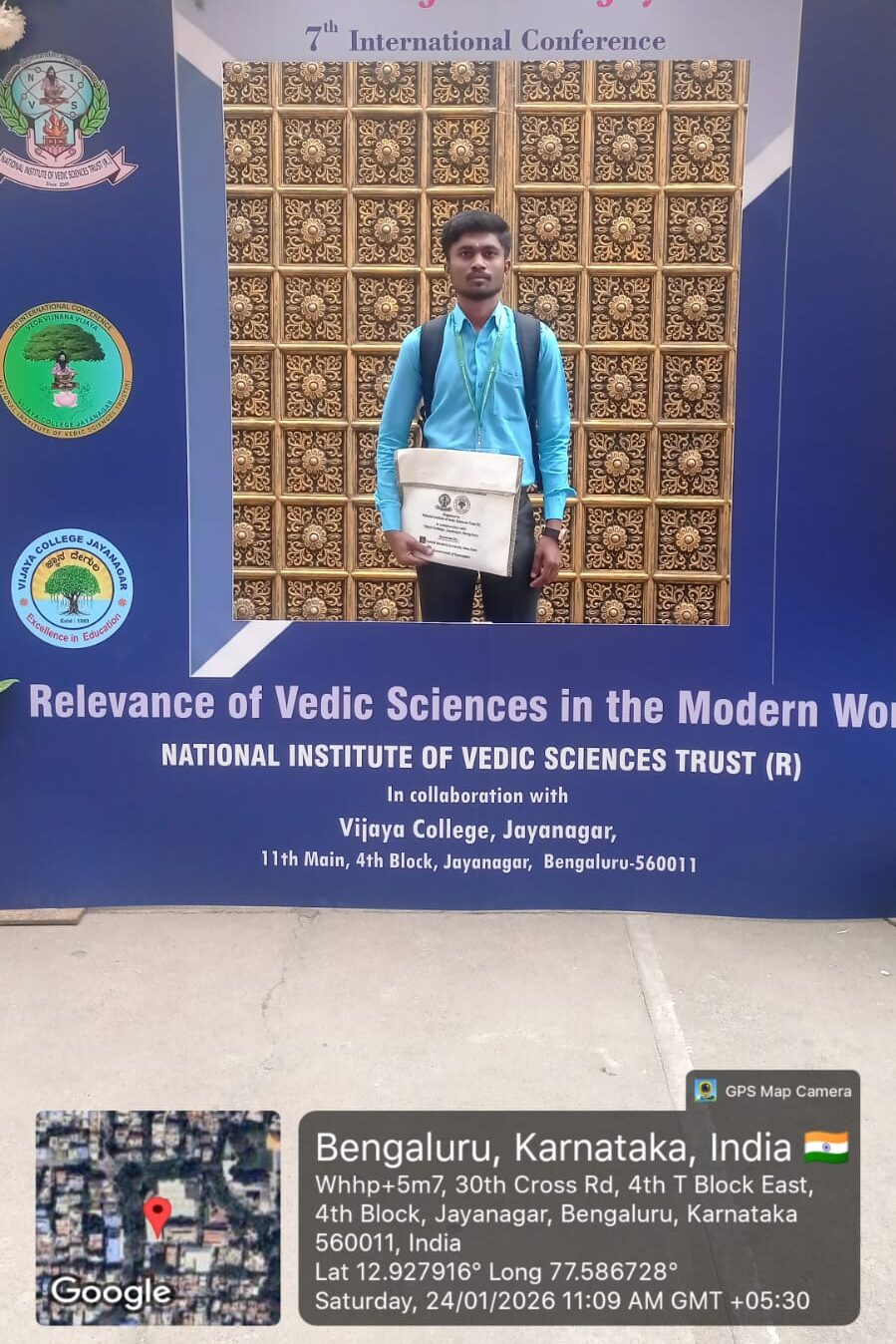
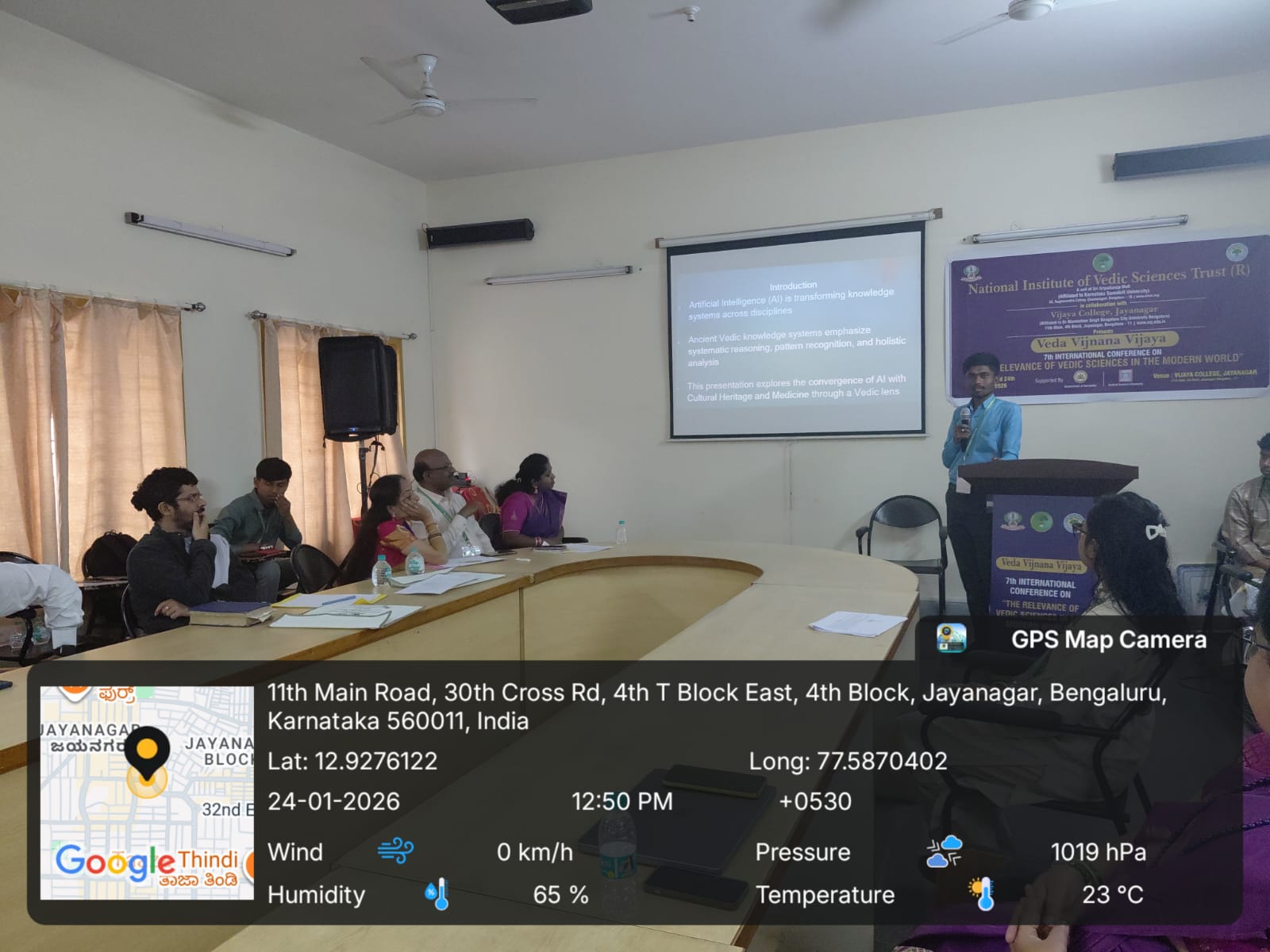
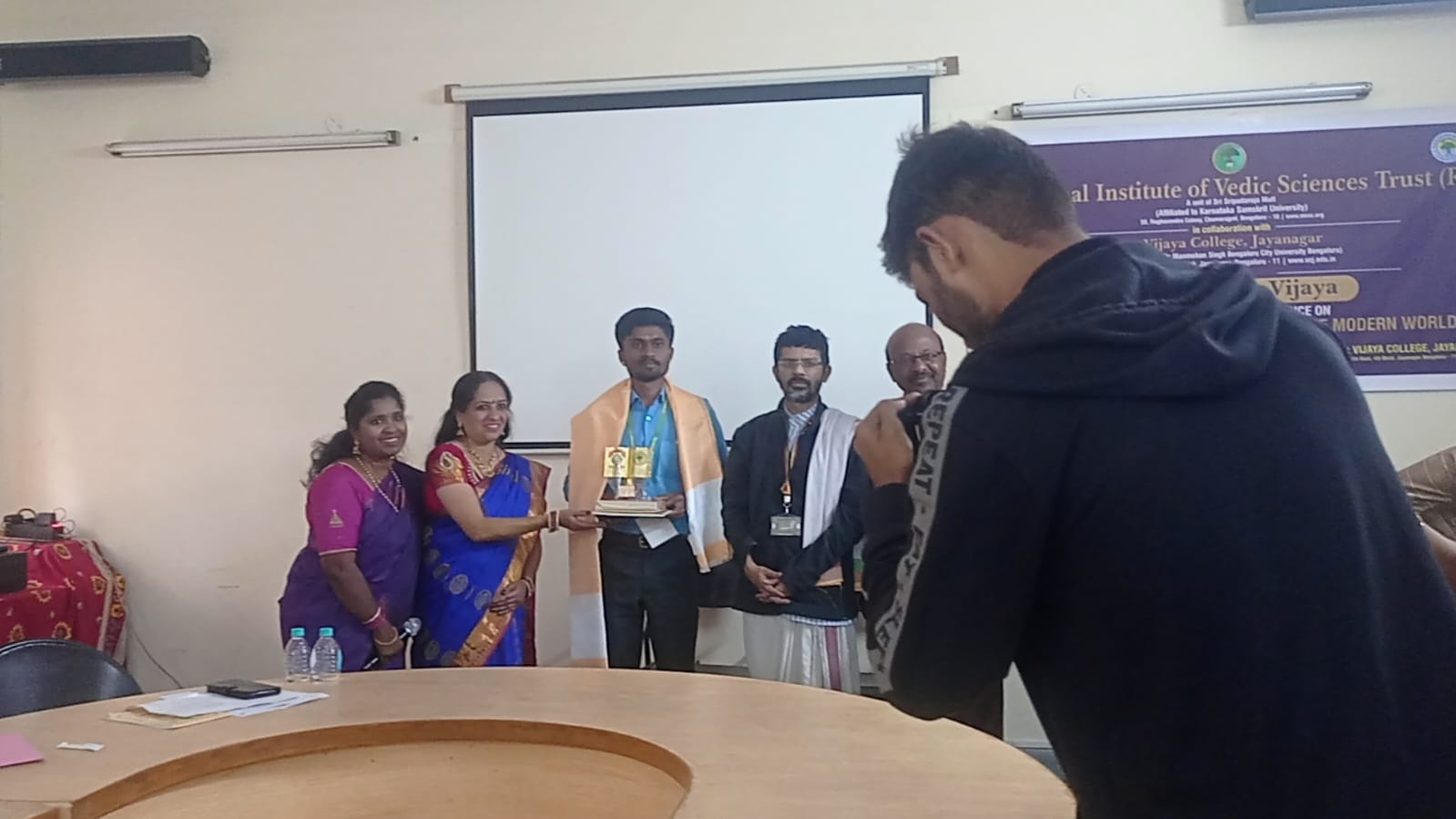
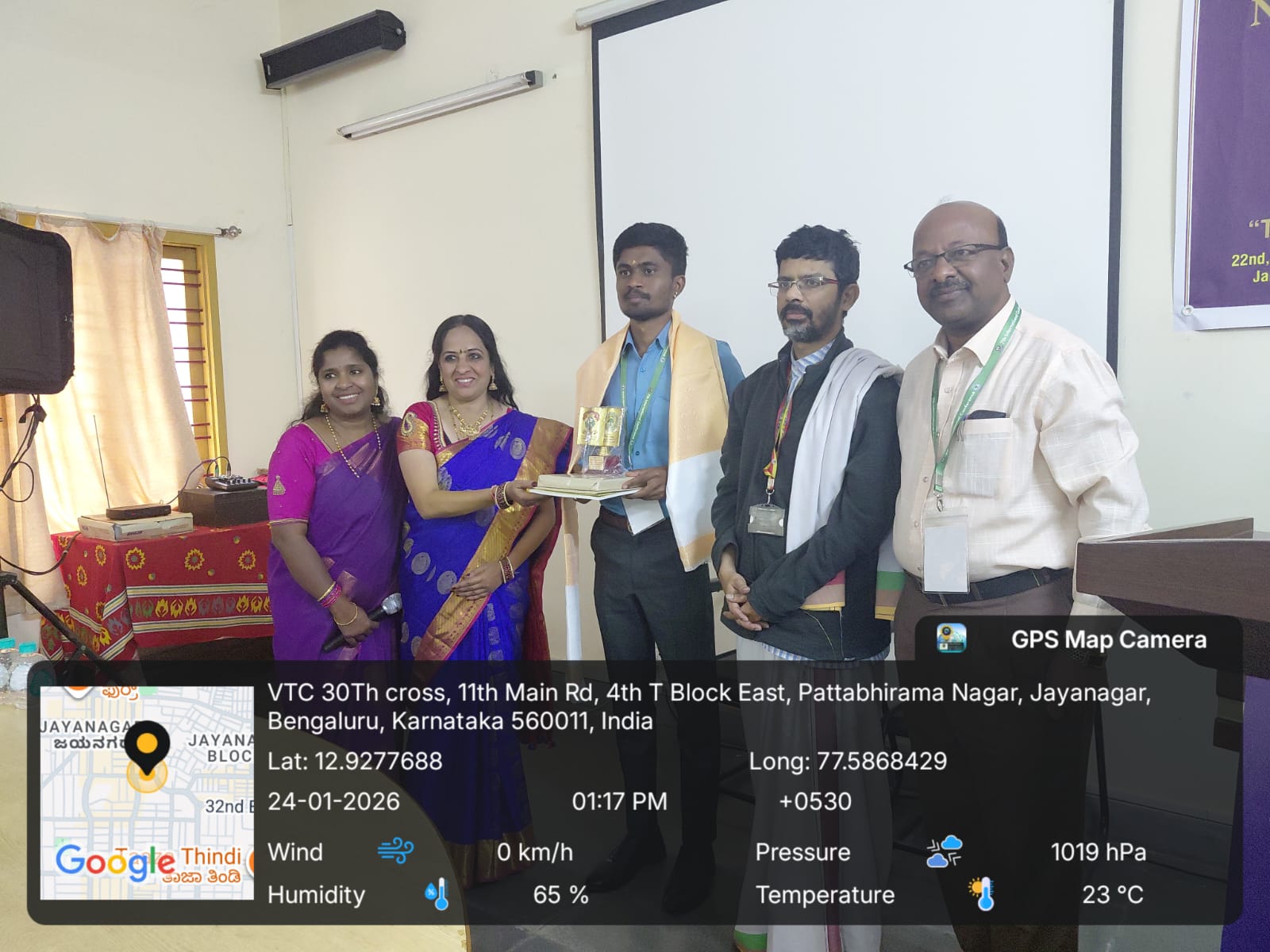
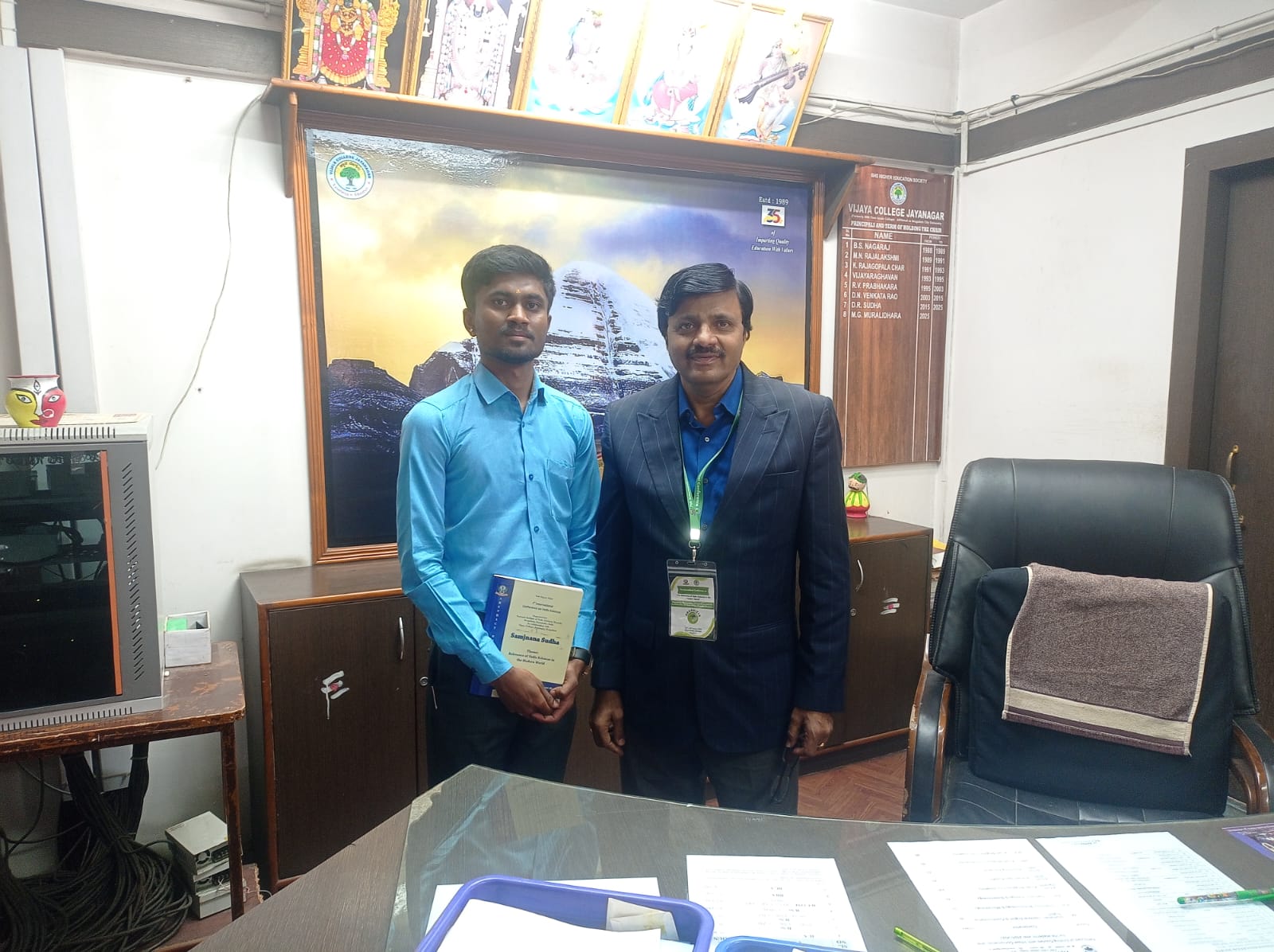
The Department of Computer Science faculties Mr. Siddarama S Head, Department of computer science and Mr. Teekshith Kumar M ,Assistant Professor presented and Published paper in 7th International Conference

Place : Vijaya College ,Jayanagar 11th main, 4th Block Bengaluru

on : 24th January 2026

Theme Of Conference : The Relevance of Vedic Science in the Modern Artificial Intelligence world

Title of the paper : Artificial Intelligence in Health, Culture and Medicine With Vedic Science

Mr. Teekshith Kumar received Best Paper and best Presentation Award

ISBN Number : 9-788199-795525

Outcome of the Conference:

  1. Ethical AI Framework Development
    Principles from Vedic texts such as the Bhagavad Gita promote dharma (righteous conduct), helping design AI systems aligned with moral responsibility and human welfare.
  2. Holistic Problem-Solving Models
    Vedic philosophy emphasizes interconnectedness (Vasudhaiva Kutumbakam concept), encouraging AI systems that consider social, environmental, and human impact rather than isolated optimization.
  3. Knowledge Representation and Logic
    Ancient logical systems from Nyaya Sutras contribute to structured reasoning approaches similar to rule-based AI and symbolic logic models.
  4. Consciousness Studies and Cognitive AI
    Insights from Upanishads about mind and consciousness inspire advanced research in Artificial General Intelligence (AGI) and cognitive computing.
  5. Algorithmic Thinking Roots
    Structured mathematical reasoning found in Vedic mathematics supports optimization algorithms, rapid calculations, and computational efficiency in AI systems.
  6. Natural Language Processing (NLP) Advancement
    The grammatical precision of Sanskrit, formalized by Panini in the Ashtadhyayi, provides a rule-based linguistic structure useful for computational linguistics and NLP design.
  7. Human-Centered AI Development
    Vedic emphasis on balance between intellect and ethics encourages development of AI technologies that prioritize human well-being over pure automation.
  8. Sustainable Technological Innovation
    Vedic ecological perspectives promote sustainable AI infrastructure and responsible data center management to reduce environmental impact.
  9. Interdisciplinary Research Expansion
    Integrating Vedic philosophy with AI fosters collaboration between computer science, psychology, philosophy, and cognitive neuroscience.
  10. Cultural Preservation through AI
    AI technologies can digitize, analyze, and preserve Vedic manuscripts, ensuring long-term cultural continuity and scholarly accessibility.

Department of Computer Science Faculty’s Invited as a Resource person

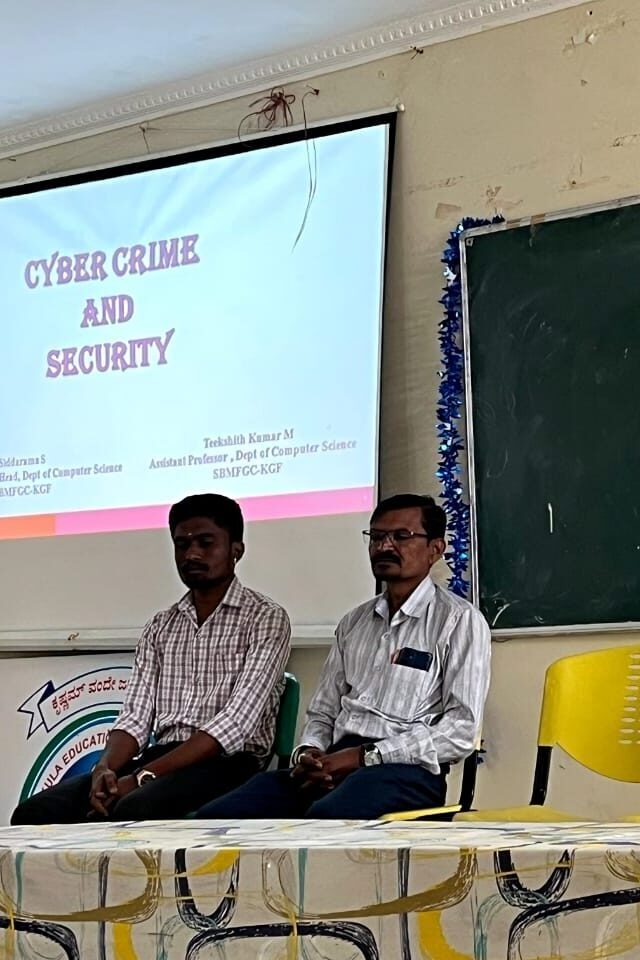
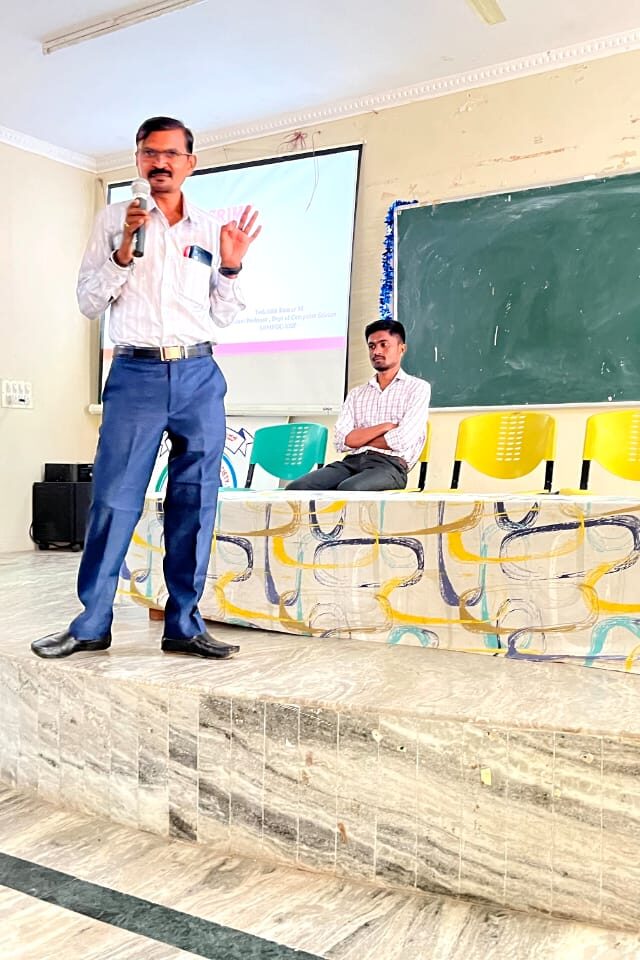
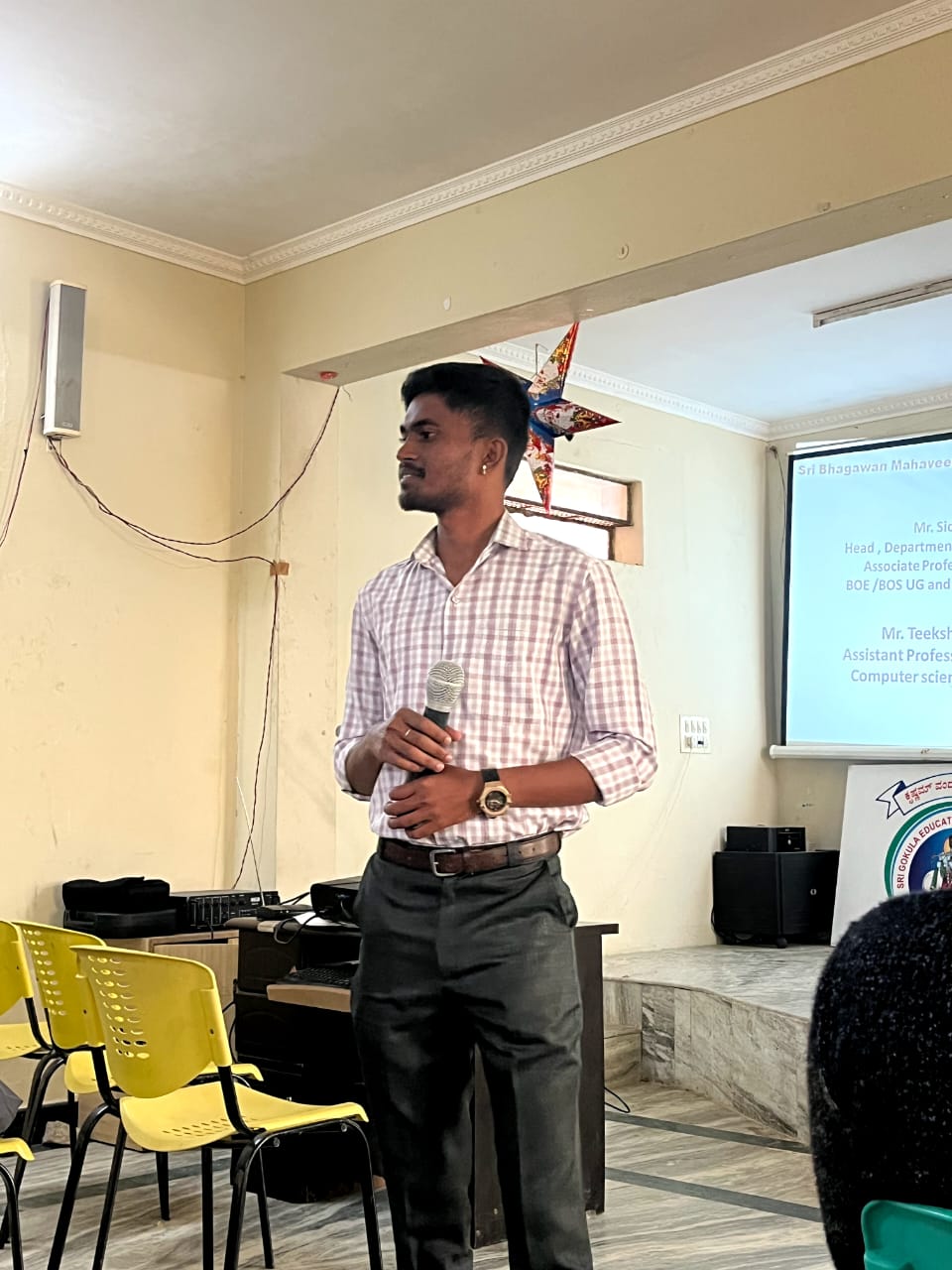
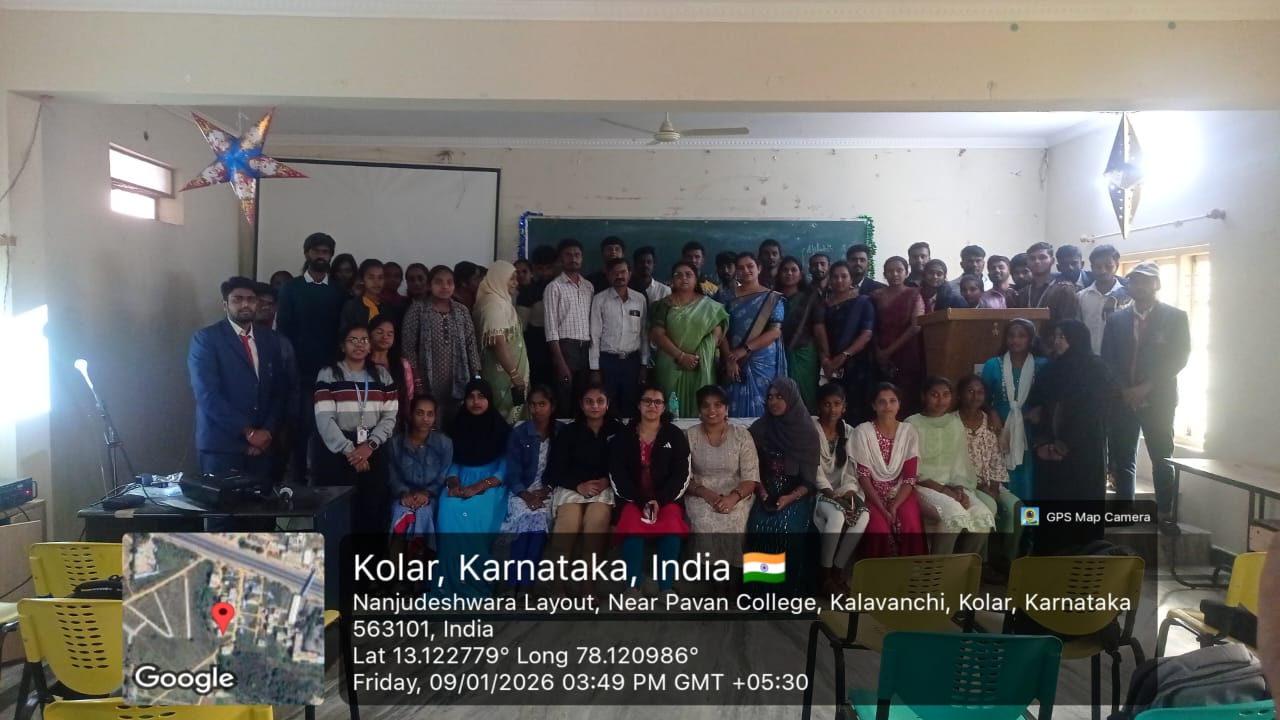
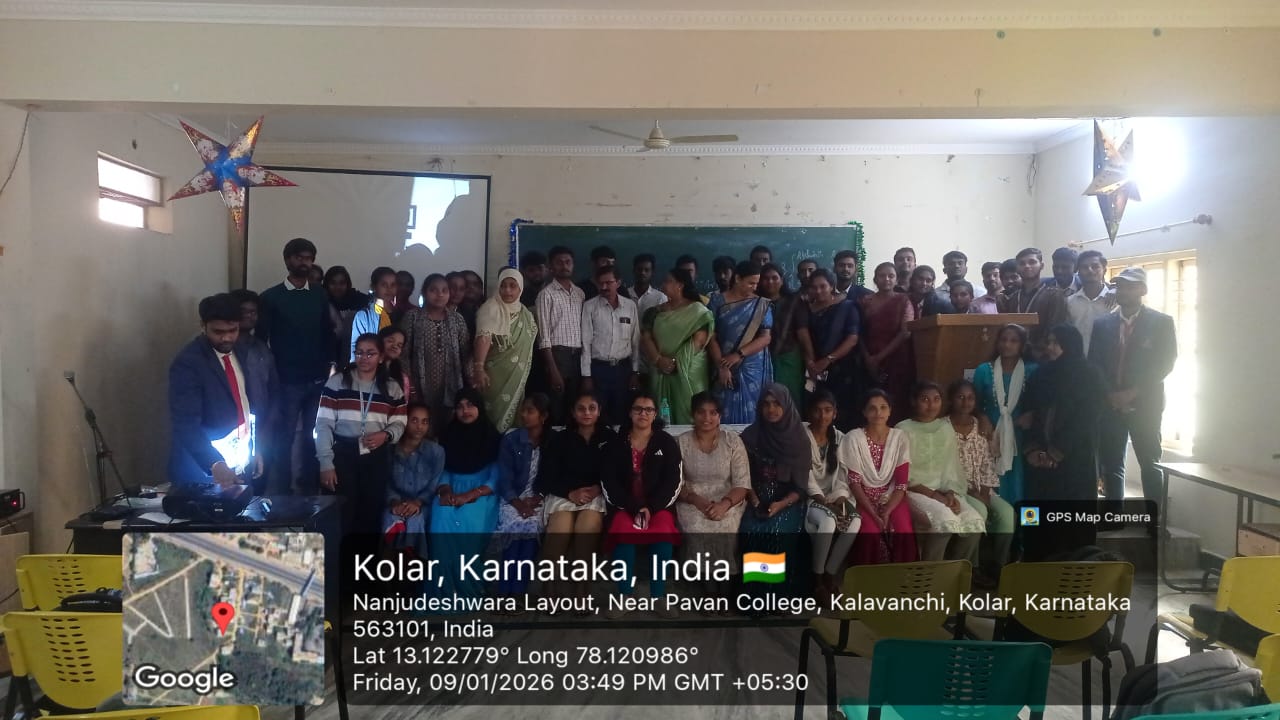
The Department of Computer Science Faculty’s Invited as a Resource Person For SDP [Student Development Program ] at Nanda Gokula College PG Center- Tekal Road Kolar Karnataka.

  1. Mr. Siddarama S ,Associate Professor, Head, Department of Computer Science, SBMFGC-KGF
  2. Mr. Teekshith Kumar M , Assistant Professor, Department of Computer Science, SBMFGC-KGF

College Name: Nanda Gokula College of PG Center (MBA/M.Com)

Date: 09-01-2026

Title: 1. Cyber Crime And Security

2. Artificial Intelligence in Management and E-commerce

Out Come of the Student Development Program:

  1. Understand the fundamentals of cyber crime, cyber security, and artificial intelligence in the digital economy.
  2. Gain awareness of cyber threats, online frauds, and AI-enabled attacks affecting individuals and organizations.
  3. Learn security principles and safe digital practices for personal, academic, and professional environments.
  4. Understand the role of AI in enhancing cyber security and threat detection systems.
  5. Develop knowledge of data protection, privacy, and ethical use of digital technologies.
  6. Gain insight into AI-driven decision making in management and e-commerce platforms.
  7. Understand cyber laws, IT regulations, and compliance requirements relevant to digital business.
  8. Learn how AI improves customer experience, personalization, and online marketing strategies.
  9. Develop skills to identify cyber risks in e-commerce and online transactions.
  10. Understand the use of AI in fraud detection, risk management, and secure payment systems.
  11. Gain exposure to automation, analytics, and intelligent systems used in modern organizations.
  12. Learn best practices for secure online business operations and digital transactions.
  13. Develop critical thinking and problem-solving skills in cyber and AI-based scenarios.
  14. Build awareness of emerging careers in cyber security, AI, analytics, and digital management.
  15. Foster ethical responsibility, digital citizenship, and readiness for the digital workforce.